
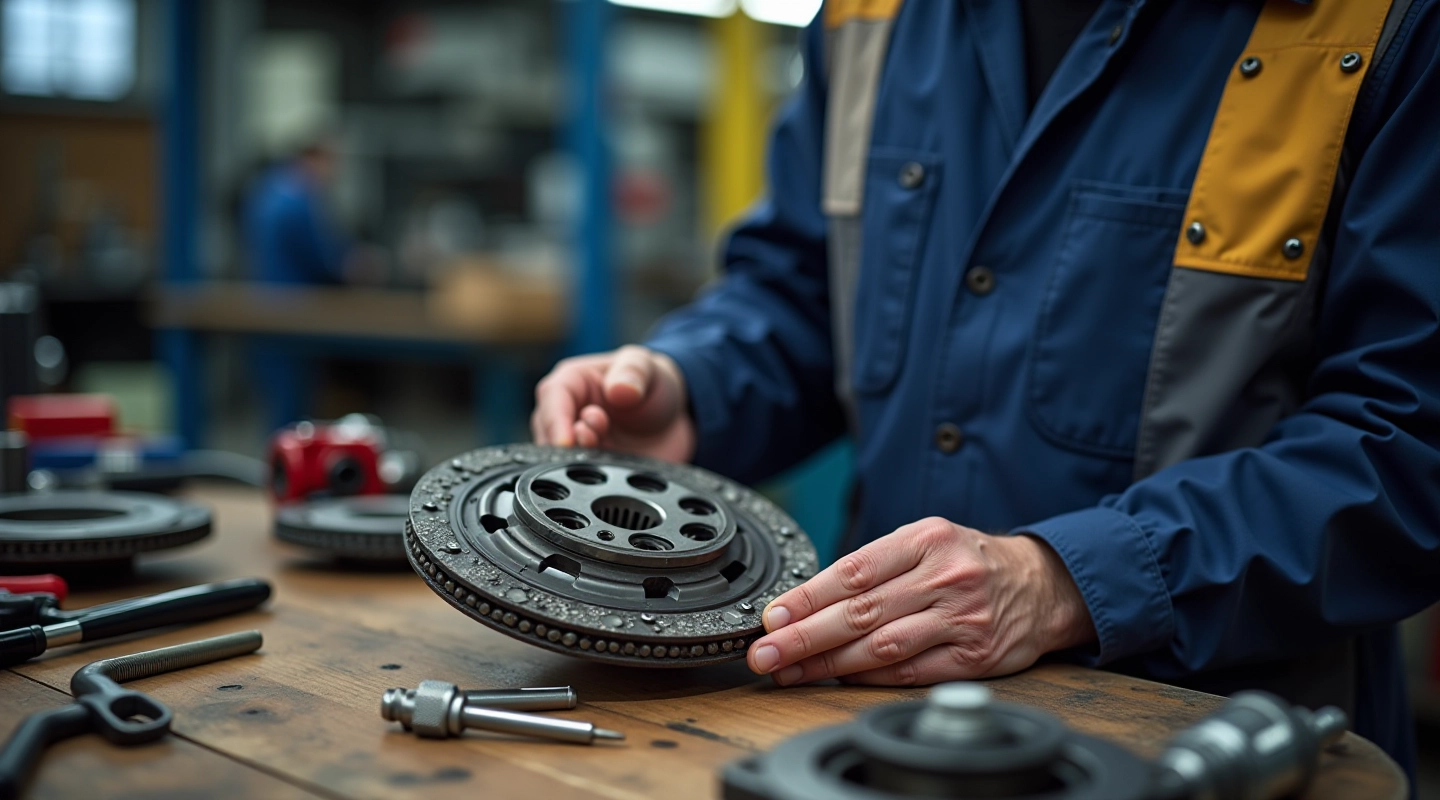
Manual Clutch Disc Replacement: Step-by-Step Process
Complete walkthrough of clutch replacement including removal, inspection, and reinstallation. Learn what to expect during this essential service.
Read Guide
Understanding your fluid's role in gearbox health
Author
Editorial Team
Written by the keltmark editorial team, focused on clear, practical guidance for clutch and gearbox repair in Tallinn.
Transmission fluid isn't just another fluid in your car. It's the lifeblood of your gearbox — it lubricates moving parts, transfers power, cools components, and keeps everything running smoothly. When it's fresh and clean, your transmission works as it should. When it breaks down, problems start appearing.
Here's the thing: many drivers don't think about transmission fluid until something goes wrong. But regular maintenance prevents most issues. We're talking about checking levels, understanding color changes, and knowing when a full fluid change is necessary.

The easiest check happens while your car is running and warmed up. Most vehicles have a transmission dipstick — pull it out, wipe it clean, reinsert it, then pull it out again to check the level. You're looking for the mark between minimum and maximum. Don't just guess at it.
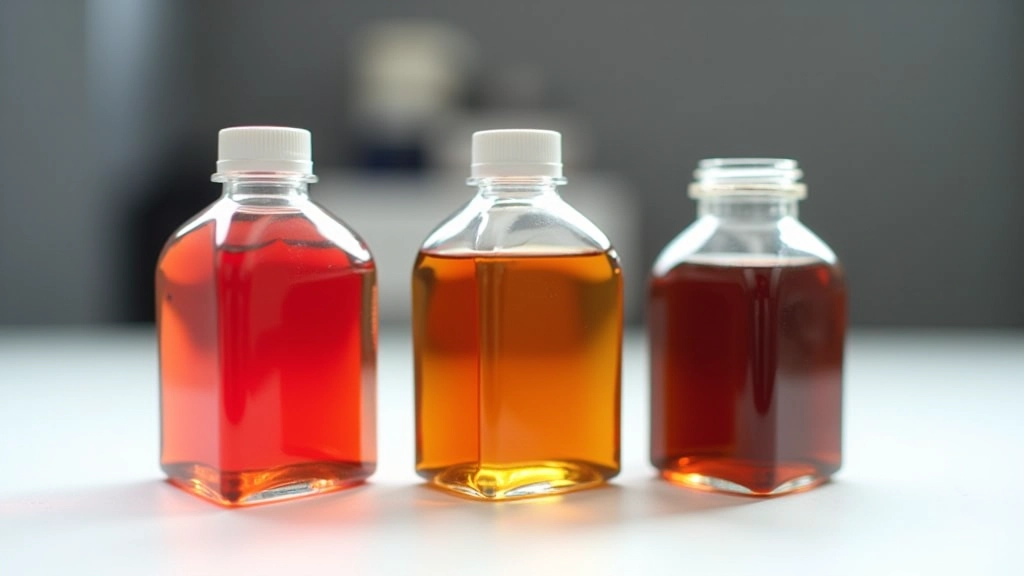
Color tells a story. Fresh transmission fluid is bright red. If it's dark brown or black, the fluid's breaking down. If it smells burnt, that's a red flag. Dark color means the fluid has been working hard and picking up particles.
Low fluid levels cause real problems — sluggish shifting, delayed engagement, or worse. High levels can cause foaming and overheating. Either way, it affects performance. Check your level monthly, especially if you're doing a lot of driving.
This article is informational only and is not a substitute for professional mechanical service. Transmission work can be complex. If you're unsure about your transmission's condition, consult a qualified mechanic for proper diagnosis and service.
The short answer: check your owner's manual. Different vehicles have different intervals. Some manufacturers recommend a fluid change every 30,000 to 60,000 kilometers. Others say 80,000 to 100,000 kilometers. Some modern cars claim they don't need changes at all, but that's often debatable.
Here's what we recommend: if your fluid is dark brown or black, change it. If it's been over 80,000 kilometers since the last change, change it. If you drive in heavy traffic, towing, or harsh conditions, consider changing it sooner. Your transmission will thank you.
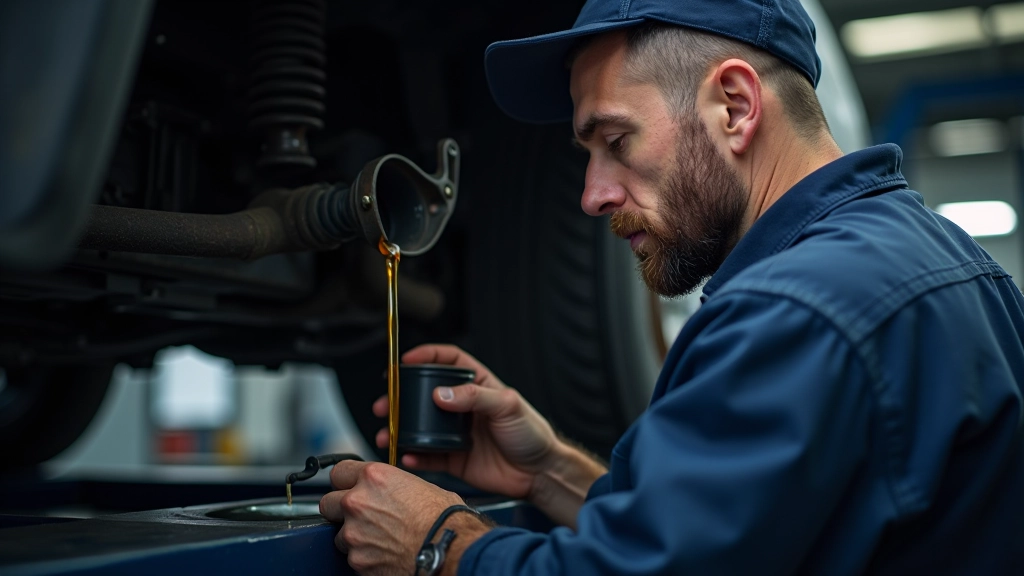
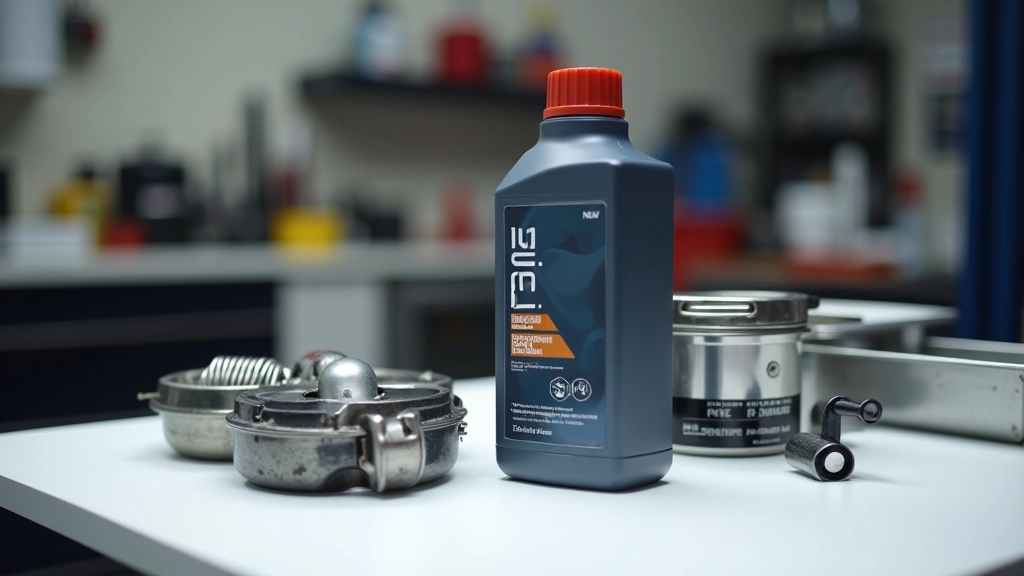
A proper transmission fluid change isn't just draining and refilling. It's a complete process. First, the vehicle gets warmed up so the fluid flows easily. Then it's lifted safely. The drain plug comes out and old fluid drains completely — this takes time, don't rush it.
The transmission pan usually comes off next. Some shops drop the pan to clean it and inspect for metal particles, which indicate wear inside the transmission. If you see metal shavings, that's important information. The filter gets replaced with a fresh one. Everything gets cleaned properly before reassembly.
New fluid goes in slowly. Getting the level right is crucial — too much or too little causes problems. The engine runs briefly to circulate the new fluid through the system. Final checks happen while the car's running to ensure proper shifting and temperature.
Think of transmission fluid maintenance as insurance. A fluid change costs a fraction of what transmission repair or replacement costs. We're talking 200 to 400 euros for preventive maintenance versus several thousand euros for transmission problems down the road.
Regular fluid changes keep your transmission cooler, reduce wear on internal parts, and help your gearbox last longer. You'll notice smoother shifting and better overall performance. It's one of those maintenance items that pays for itself.
Recommended change interval
Every 60,000-80,000 km
Average service cost
200-400 EUR
Transmission repair cost
2,000-5,000+ EUR
Transmission fluid maintenance doesn't have to be complicated. Check your fluid regularly — monthly checks take five minutes. Know what healthy fluid looks like: bright red, clean, with no burnt smell. Follow your manufacturer's recommended service intervals, or lean toward the more frequent side if you drive in tough conditions.
A well-maintained transmission is a transmission that lasts. You'll enjoy smoother shifts, better performance, and the peace of mind that comes from knowing your gearbox is being cared for properly. Don't wait for problems to appear — stay ahead with regular fluid checks and changes.
Need professional help with transmission service in Tallinn?
Get in TouchExplore more guides on clutch and gearbox maintenance
Complete walkthrough of clutch replacement including removal, inspection, and reinstallation. Learn what to expect during this essential service.
Read Guide
How diagnostic equipment identifies transmission problems. Covers common error codes, testing procedures, and what results mean for your vehicle.
Read Guide
A practical overview of the most common transmission issues: grinding noises, slipping gears, slow engagement, and fluid leaks explained.
Read Guide