
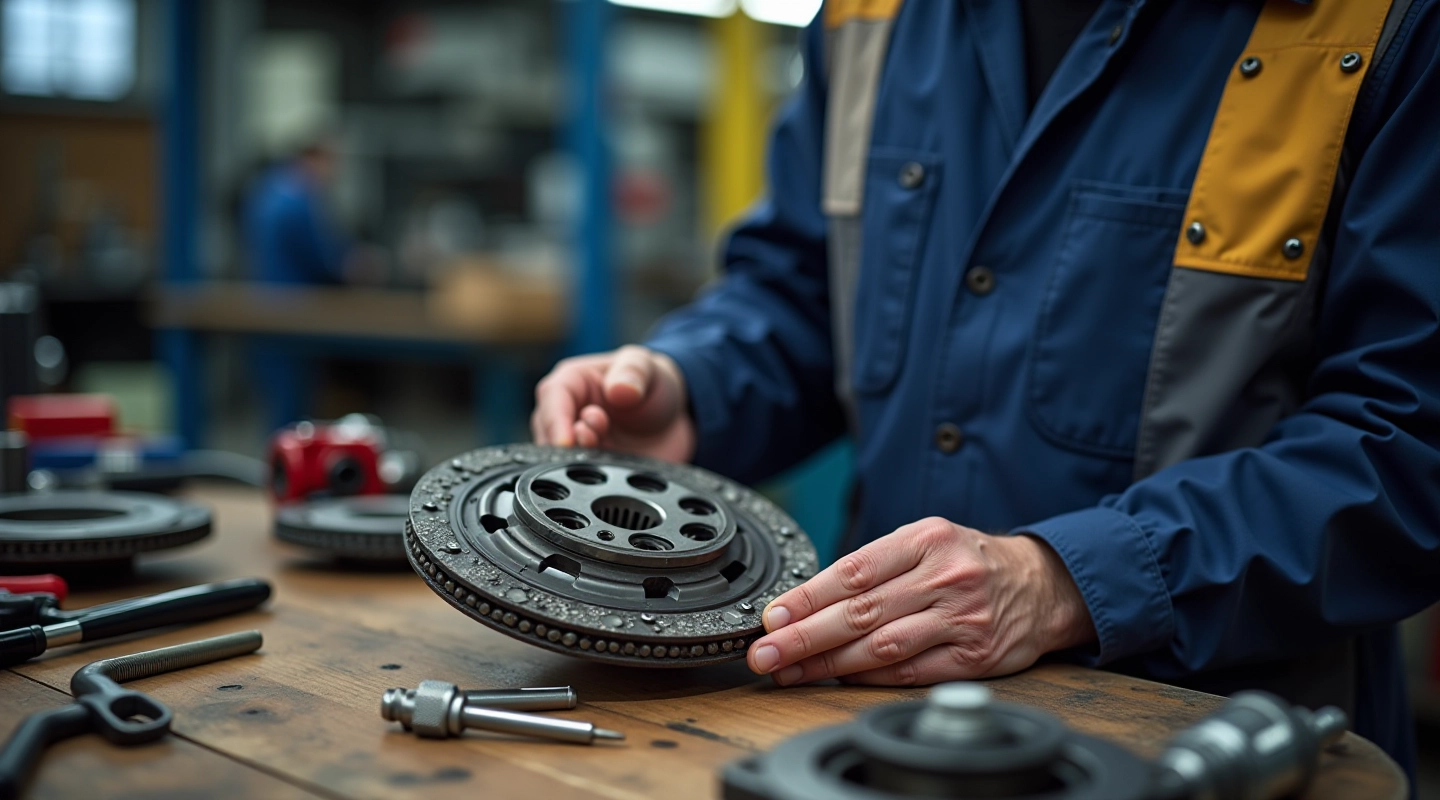
Manual Clutch Disc Replacement: Step-by-Step Process
Complete walkthrough of clutch replacement including removal, inspection, and reassembly. Learn what happens during a full clutch service and why proper technique matters.
A practical overview of the most common transmission issues: grinding noises, slipping gears, delayed engagement, and leaks. We explain what happens inside and why prevention matters more than most people think.
Editorial Team
Written by the keltmark editorial team, focused on clear, practical guidance for clutch and gearbox repair in Tallinn.
Your gearbox doesn't just transfer engine power to the wheels — it's the translator between what your engine wants to do and what your car can actually handle. When something goes wrong, you'll notice it immediately. The grinding noise that makes you cringe. The lag when you shift. The puddle under your car that wasn't there yesterday.
Most people don't think about their transmission until it breaks. But here's the thing: catching problems early saves thousands. We're going to walk through the most common issues we see in our Tallinn workshop, what causes them, and why that knowledge actually matters for your wallet and your safety on the road.
A fluid leak caught in week one? Maybe 500-800 euros. Ignored for six months? You're looking at a complete rebuild or replacement. That's the difference between prevention and crisis.
That awful grinding sound when you shift — it's actually metal parts that should never touch each other making contact. Inside your transmission, synchronizers are supposed to match the speed of gears before they engage. They're like the clutch's best friend, smoothing the transition.
When synchronizers wear out (and they do, after 150,000-200,000 kilometers of normal driving), the gears don't sync properly. You get that crunch. It happens most when you're shifting under load — pressing the accelerator while shifting — or when the transmission fluid is cold and thick.
Why it matters: Ignored grinding means the gears themselves start chipping. You're not just replacing the synchronizers anymore — now you're looking at gear replacement too. The cost multiplies fast. Plus, every time those gears clash, tiny metal particles end up in your fluid. That contaminated fluid then damages other internal components.
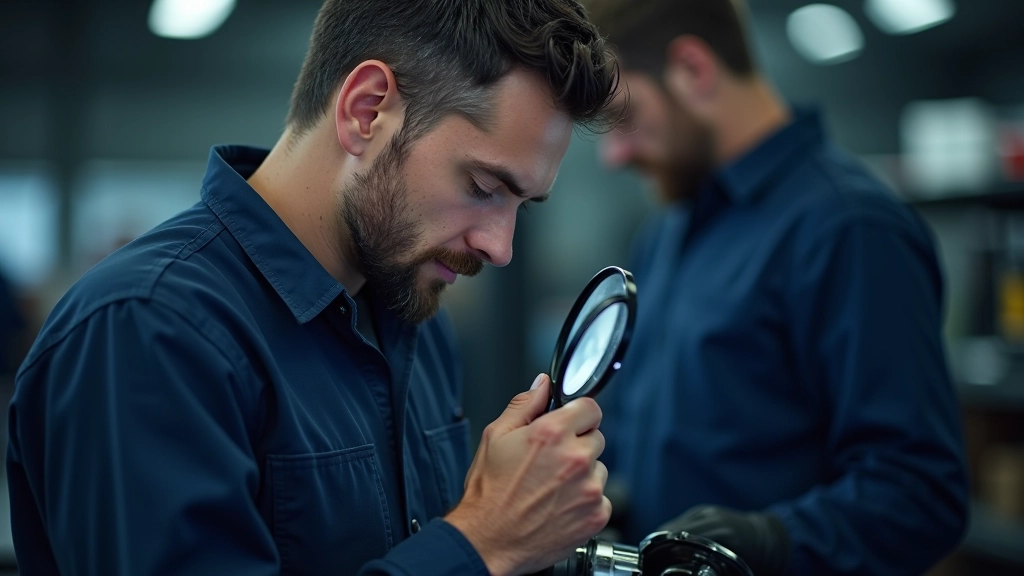

Slipping feels like your engine's revving but the car isn't accelerating properly. You press the pedal, RPMs climb, but you don't get the power delivery you expect. Sometimes it catches again after a second or two. Sometimes it keeps slipping.
This usually happens because the friction materials inside are worn down. Think of it like your brakes losing grip — except it's happening inside the transmission where you can't see it. Low transmission fluid makes this worse because the clutch packs don't have enough hydraulic pressure to engage properly. Overheating also breaks down the fluid's ability to transfer force.
We often see slipping in cars where the transmission has been running too hot for months. The fluid degrades. Friction materials crumble. The clutch plates become smooth and polished instead of grippy. At that point, you're not fixing it with fresh fluid — you need internal work.
This article is informational only and is not professional repair advice. Gearbox issues require diagnosis by a qualified mechanic. Every transmission is different, and symptoms can overlap. If you're experiencing any of these problems, bring your vehicle to a professional repair facility for proper evaluation and diagnosis.
You shift into Drive or Reverse, and there's a pause. Maybe 1-2 seconds where nothing happens. Then it engages. This is delayed engagement, and it's your transmission telling you something's not right with fluid pressure or internal sealing.
The most common cause is low transmission fluid. Your seals have probably developed micro-leaks, and you've lost a liter or more over time. Without enough fluid, the hydraulic pressure that engages the clutches can't build up fast enough. Another possibility is a failing solenoid — those electronic valves that direct fluid flow are getting weak.
Here's what's important: delayed engagement is often an early warning sign. Catch it now, top up your fluid, maybe replace a solenoid, and you're back on the road. Ignore it for another 10,000 kilometers, and you might be looking at major internal damage from running too dry.
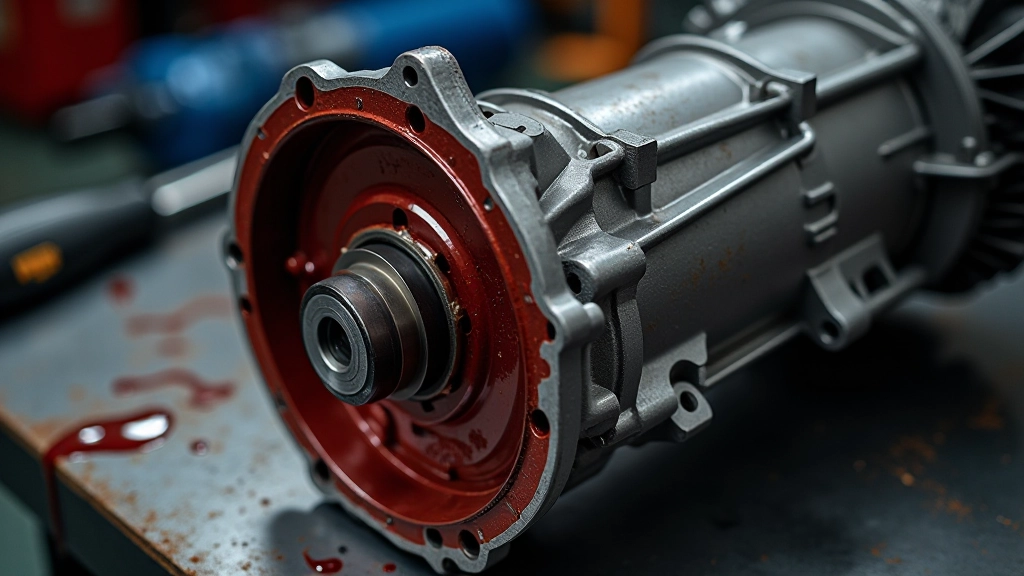
You notice red fluid under your car. Not under the engine — further back, underneath the transmission. That's transmission fluid, and you're losing it. Leaks are actually more common than you'd think. Gaskets age. Seals dry out. Pan bolts vibrate loose.
The tricky part about leaks is that they're often slow. You might lose half a liter per month without noticing much. But after 6 months, you're down by 2-3 liters. That's when you start getting delayed engagement, slipping, or overheating because there's not enough fluid to cool the transmission properly.
We recommend checking your fluid level every month if you've spotted any leaking. It takes 2 minutes. If you're consistently topping up, bring the car in. It's usually a gasket replacement, which is straightforward. What's not straightforward is dealing with a transmission that's been running dry.
Check your transmission fluid level monthly. It should be bright red, not dark brown. If it's dark or smells burnt, that's a sign of overheating or age. Plan a fluid change every 60,000-100,000 kilometers depending on your vehicle type.
Overheating is the silent killer of transmissions. Heavy towing, stop-and-go city driving, and summer heat all stress the system. If your transmission temperature gauge climbs higher than normal, have the cooler checked.
That grinding noise? The hesitation when shifting? These aren't normal. They're your transmission's way of asking for help. Don't wait until it's screaming. Address issues when they're small whispers, not loud shouts.
Look under your car once a month. Red fluid pooling under the transmission means you've got a seal or gasket issue. Catching it early means a simple repair instead of emergency transmission work.
Gearbox problems don't appear out of nowhere. They develop slowly, giving you warning signs along the way. Grinding, slipping, delayed engagement, leaks — these are all your transmission trying to tell you something needs attention. The drivers who catch these early spend hundreds. The ones who ignore them spend thousands.
Regular maintenance and quick response to warning signs are genuinely your best defenses. You're not looking for complicated solutions here. Just awareness and action. Check your fluid. Listen to your car. Bring it in when something feels off. That's the whole strategy, and it works.
If you're experiencing any of these symptoms, don't put it off. A professional diagnostic test will tell you exactly what's happening inside. Sometimes it's simple. Sometimes it's more involved. But you won't know until you check, and the sooner you know, the sooner you can make an informed decision about repairs.
Continue learning about transmission and clutch systems
Complete walkthrough of clutch replacement including removal, inspection, and reassembly. Learn what happens during a full clutch service and why proper technique matters.
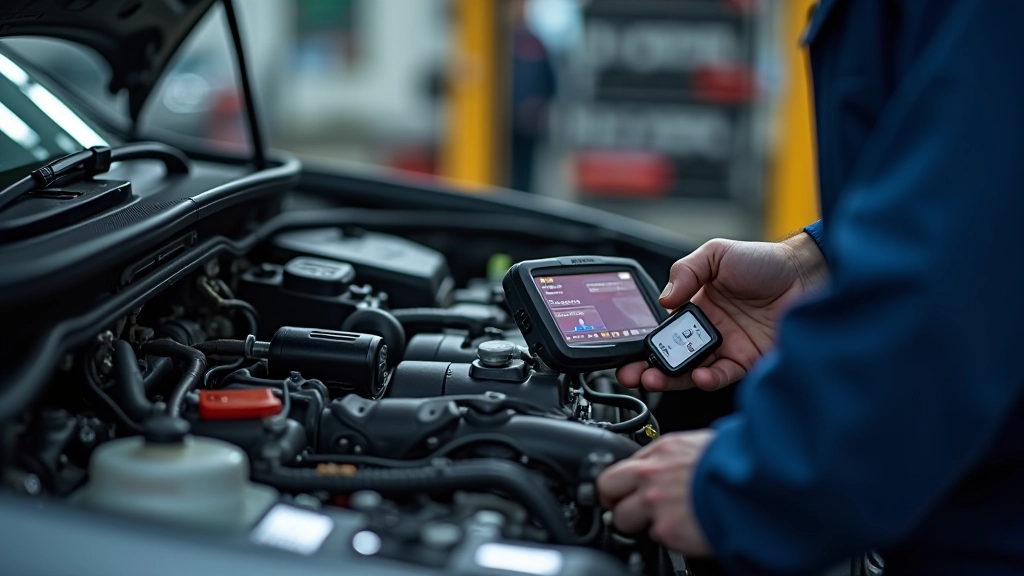
How diagnostic equipment identifies transmission problems. Covers common error codes and what they actually mean when your transmission starts acting up.
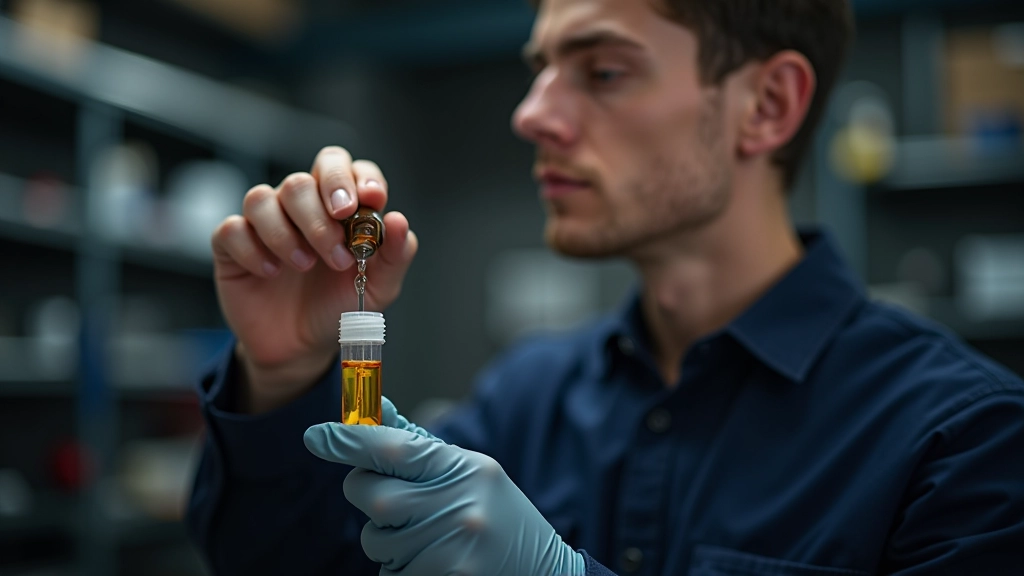
Understanding transmission fluid's role in gearbox health. When you should change it, how to check levels, and why using the right fluid type actually matters for longevity.